


Tom’s Cats – What we can learn about team building from Thomas’ cats
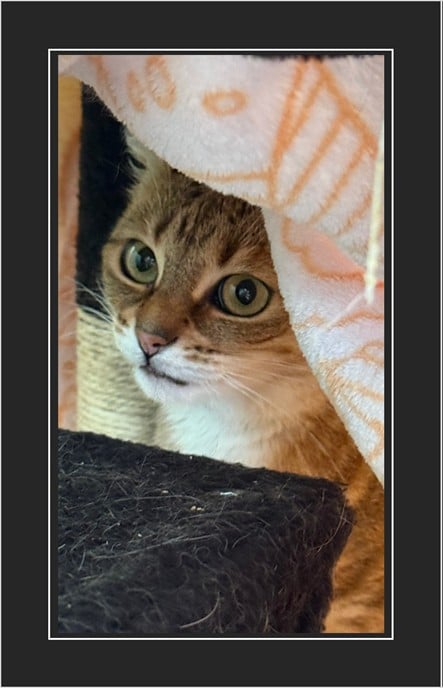
Are you interested in a somewhat unusual blog post that teaches you about team building based on the behavior of Thomas’ cats? Then you’ve come to the right place!
About the Author
My name is Dominik Maximini. Together with my team at ValueRise Consulting, I help teams become more successful and make work more fulfilling. I met Thomas many years ago while working with a mutual client. At the time, he was a developer, and I was working as a Scrum Master. We used the time to forge a highly efficient and successful team out of a wild bunch of coders. After this project, we each turned to other tasks, but remained in contact.
Who is Thomas?
Thomas is the managing director of JDisc. But you probably already knew that. What you may not have known is that Thomas has two cats: Nelly and Findus.
Why Cats?
Depending on who you ask, you might hear that “cats are just like humans.” Or that they rule the world. Even though science has found that dogs are about twice as intelligent as cats (okay, anyone who can get someone to carry their own excrements around behind them definitely deserves respect!), cats still seem somehow smarter.
But honestly: because I like cats, many blog posts are kind of boring, and an opportunity has just arisen: Nelly just joined Findus. So why not?
What can cats teach us about team building?
A lot!
In the case of Thomas’ cats, we were fortunate that Nelly has just joined Findus. Although there are only two cats and not five, eight, or ten, the observable behavior was similar to that seen when a team of humans is newly formed. The original 1965 Tuckman modell identifies four phases, which we also observed in the cats’ behaviour: forming, storming, norming, and performing

Forming
During the forming phase, the team undergoes change. The members are still uncertain and rather reserved. Perhaps you are familiar with this situation: you walk into a room full of people you don’t know yet. How do you feel in such a situation? Most people find it rather uncomfortable and feel uncertain, which, depending on their personality, is expressed in quiet aloofness, loud presentation, or something in between.
Nelly felt the same way: she was very uncertain and initially hid herself away. From a safe distance, she watched the goings-on closely for several days and, of course, paid particular attention to how Findus behaved.
Findus, on the other hand, also kept his distance and avoided Nelly.
In a team made up of humans, it would be the manager’s job to help the team members get to know each other, understand their shared task, and slowly warm up to each other. This would be a good time for team-building workshops, pizza, and cold beverages. Cats don’t need a manager for this. They take care of it themselves.
Storming
In the storming phase, elbows are out. Team members seek their place in the team and contribute their ideas, which have not yet been coordinated or aligned with a common goal. Everyone believes they are “right.” Conflicts and arguments arise. This is completely normal and also occurs among cats.
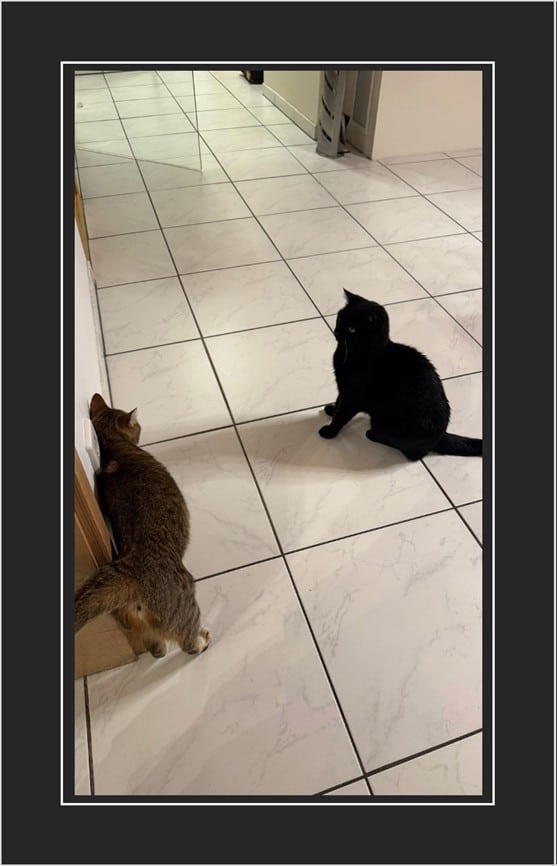
Once Nelly and Findus had warmed up a little, they ventured closer to each other. Their encounters were marked by conflict: Who gets to lie where? Who gets to walk where? Who gets to eat when and where? With these two cats, the conflicts were almost always nonverbal. But there could also have been hissing, hitting, and scratching.
It’s similar with humans, although hitting and scratching are rather unusual. But arguments, annoyances, and conflicts are part of life. The manager must now ensure that the conflicts are channeled into constructive paths for resolution.
Norming
In the norming phase, the team establishes common rules and thus ends the conflict phase. Everyone has found their place in the team and cooperation begins. Slowly, the common task comes to the fore and power struggles are overcome.
Although Nelly and Findus don’t have a common task (except being really cute), they have still managed to establish rules for themselves. For example, both have found and occupied their favorite cozy spot. Conflicts only arise when the common norm is violated
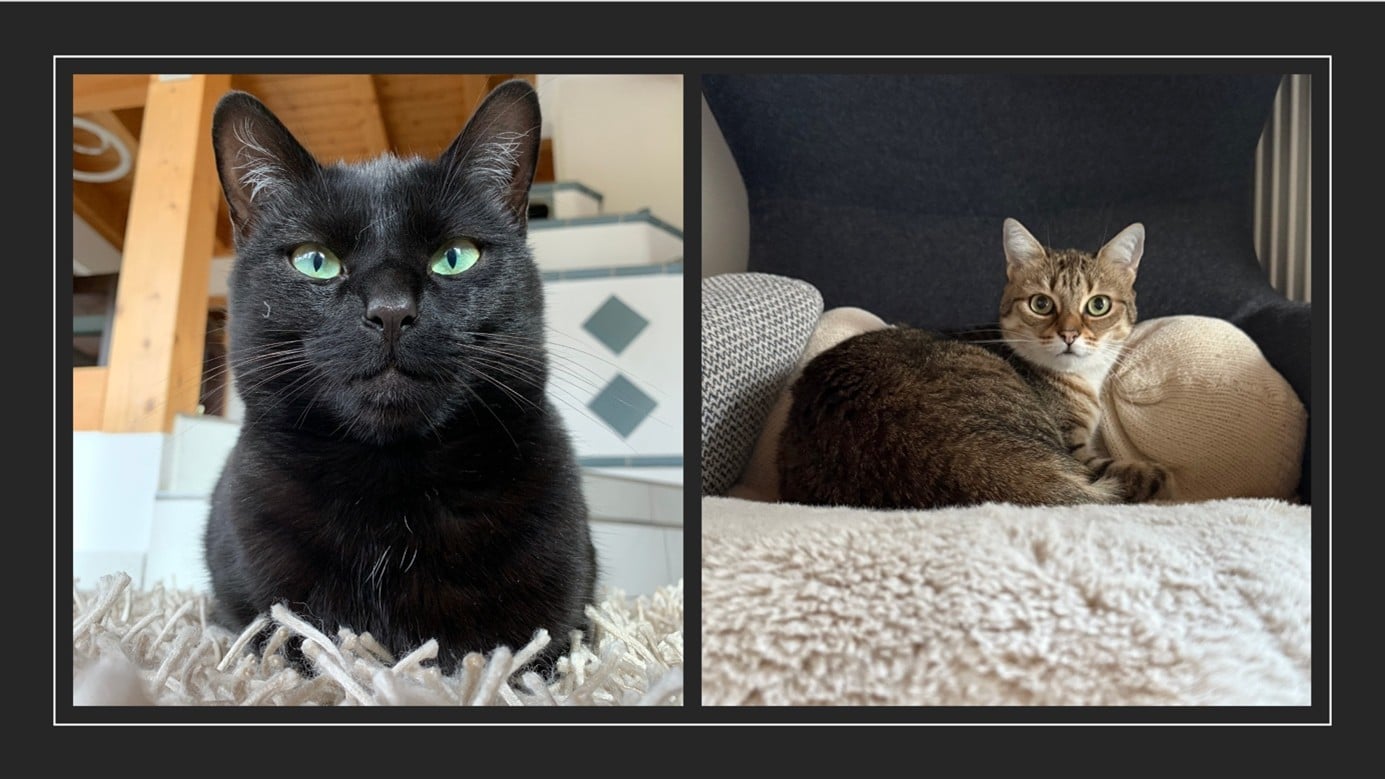
In human teams, it is only at this stage that work becomes enjoyable. Before that, collaboration tends to be difficult and unpleasant. Once the norming stage has been reached, the manager must ensure that the common rules are actually followed. Cats do this very efficiently without a boss.
Performing
In the performing phase, the work really “rocks.” Everything is going well, everyone is having fun and being productive. The group’s performance is greater than the sum of its parts. Everyone values each other, recognizes each other’s achievements, and fixed roles and rules are less important because the overarching goal is at the forefront. Everyone is pulling in the same direction.
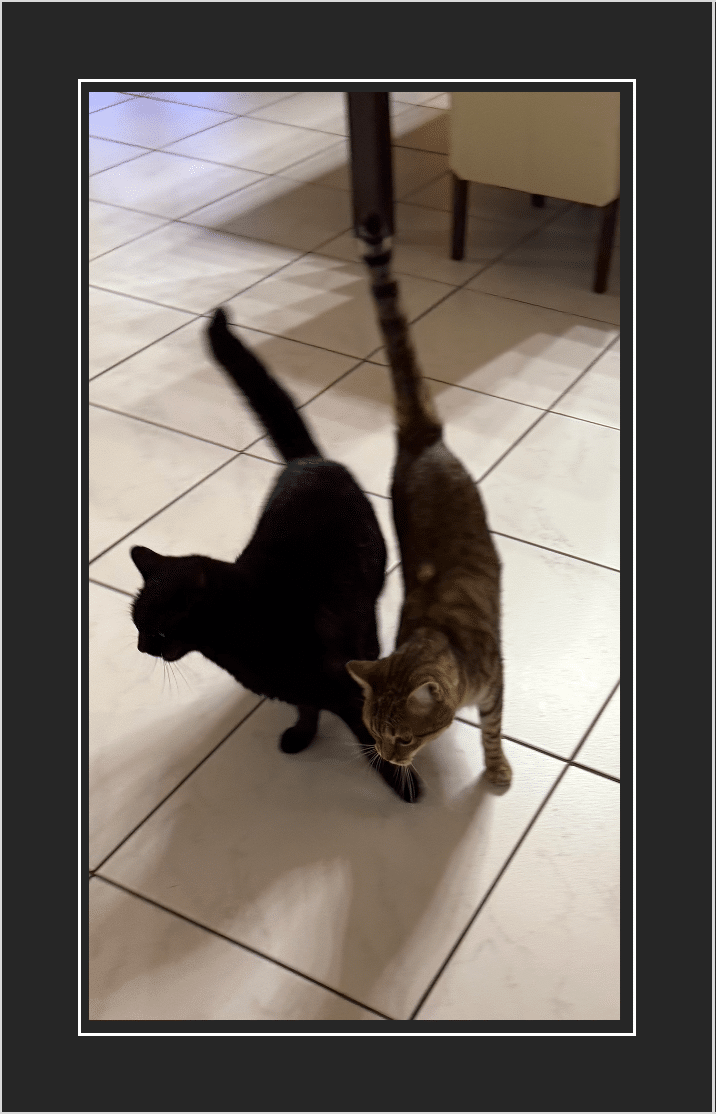
Nelly and Findus reached this point after a few weeks. As a team, they now move through the house and resolve conflicts very efficiently, if any arise at all.
In human teams, the boss doesn’t have much to do here except getting out of the way and making sure the team doesn’t fall back into one of the other phases.
Practical Application
The next challenge for Nelly and Findus will be expanding their playing field to include the garden. Actually, to include the whole world, because forcing a cat to stay in the garden is a pretty hopeless endeavor. This change will mean that the two house cats will have to renegotiate some of their rules. So, they will go through some of the stages of the Tuckman model again. Typically, much faster than the first time around.
It’s the same with human teams. When changes occur—whether in the organization, the team, or among individuals—the team may fall back into an earlier phase of the Tuckman cycle. But that’s not a problem, because the team has typically already learned how to deal with ambiguities and conflicts. If all goes well, the stages are passed through much more quickly—sometimes in just a few hours.
At ValueRise Consulting, we help teams enjoy their work and collaborate effectively. Tuckman’s model is very helpful in this regard because it facilitates discussions with teams about where they currently stand and what the next steps could be. Even unpleasant words like “conflict” lose their scare factor because they are completely normal and expected.
What do you take away from this post? And how did you like Thomas’s cat analogy? We look forward to hearing your opinion in the comments section.
Wer möchte kann mich auch gerne kontaktieren:
mail: dominik.maximini@valuerise-consulting.de
WEB: https://www.valuerise-consulting.de/
