

Tom’s Cats – What we can learn about team building from Thomas’ cats
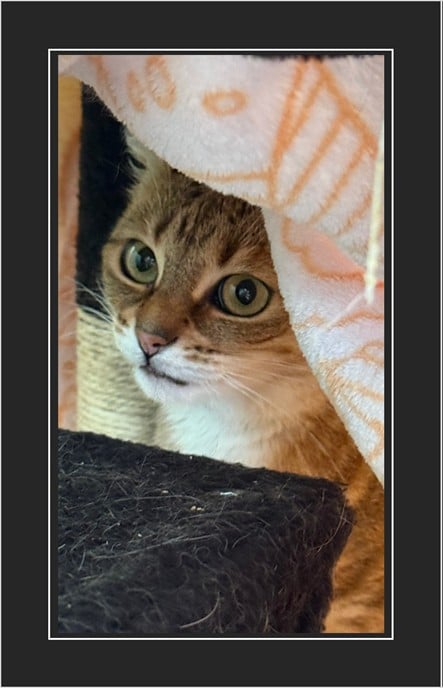
NellyArrival Nelly kommt in ihrem neuen zu Hause an. Am Anfang noch sehr scheu!

Are you interested in a somewhat unusual blog post that teaches you about team building based on the behavior of Thomas’ cats? Then you’ve come to the right place!

About the Author

My name is Dominik Maximini. Together with my team at ValueRise Consulting, I help teams become more successful and make work more fulfilling. I met Thomas many years ago while working with a mutual client. At the time, he was a developer, and I was working as a Scrum Master. We used the time to forge a highly efficient and successful team out of a wild bunch of coders. After this project, we each turned to other tasks, but remained in contact.

Who is Thomas?

Thomas is the managing director of JDisc. But you probably already knew that. What you may not have known is that Thomas has two cats: Nelly and Findus.

Why Cats?

Depending on who you ask, you might hear that “cats are just like humans.” Or that they rule the world. Even though science has found that dogs are about twice as intelligent as cats (okay, anyone who can get someone to carry their own excrements around behind them definitely deserves respect!), cats still seem somehow smarter.

But honestly: because I like cats, many blog posts are kind of boring, and an opportunity has just arisen: Nelly just joined Findus. So why not?

What can cats teach us about team building?

A lot!

In the case of Thomas’ cats, we were fortunate that Nelly has just joined Findus. Although there are only two cats and not five, eight, or ten, the observable behavior was similar to that seen when a team of humans is newly formed. The original 1965 Tuckman modell identifies four phases, which we also observed in the cats’ behaviour: forming, storming, norming, and performing

Teambuilding Milestones: Forming, Storming, Norming, Performing

Forming

During the forming phase, the team undergoes change. The members are still uncertain and rather reserved. Perhaps you are familiar with this situation: you walk into a room full of people you don’t know yet. How do you feel in such a situation? Most people find it rather uncomfortable and feel uncertain, which, depending on their personality, is expressed in quiet aloofness, loud presentation, or something in between.

Nelly felt the same way: she was very uncertain and initially hid herself away. From a safe distance, she watched the goings-on closely for several days and, of course, paid particular attention to how Findus behaved.

Nelly kommt in ihrem neuen zu Hause an. Am Anfang noch sehr scheu!
Nelly in her hiding place shortly after arriving

Findus, on the other hand, also kept his distance and avoided Nelly.

In a team made up of humans, it would be the manager’s job to help the team members get to know each other, understand their shared task, and slowly warm up to each other. This would be a good time for team-building workshops, pizza, and cold beverages. Cats don’t need a manager for this. They take care of it themselves.

Storming

In the storming phase, elbows are out. Team members seek their place in the team and contribute their ideas, which have not yet been coordinated or aligned with a common goal. Everyone believes they are “right.” Conflicts and arguments arise. This is completely normal and also occurs among cats.
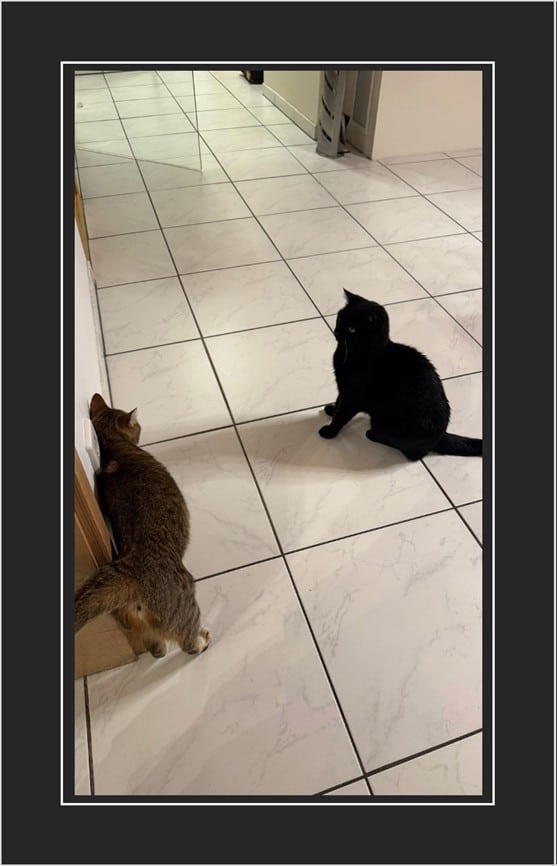
Erstes Kennenlernen von Findus und Nelly. Teambuilding ist das noch nicht wirklich :-)
Nelly and Findus in a dispute over right of way Who is allowed to pass

Once Nelly and Findus had warmed up a little, they ventured closer to each other. Their encounters were marked by conflict: Who gets to lie where? Who gets to walk where? Who gets to eat when and where? With these two cats, the conflicts were almost always nonverbal. But there could also have been hissing, hitting, and scratching.

It’s similar with humans, although hitting and scratching are rather unusual. But arguments, annoyances, and conflicts are part of life. The manager must now ensure that the conflicts are channeled into constructive paths for resolution.

Norming

In the norming phase, the team establishes common rules and thus ends the conflict phase. Everyone has found their place in the team and cooperation begins. Slowly, the common task comes to the fore and power struggles are overcome.

Although Nelly and Findus don’t have a common task (except being really cute), they have still managed to establish rules for themselves. For example, both have found and occupied their favorite cozy spot. Conflicts only arise when the common norm is violated
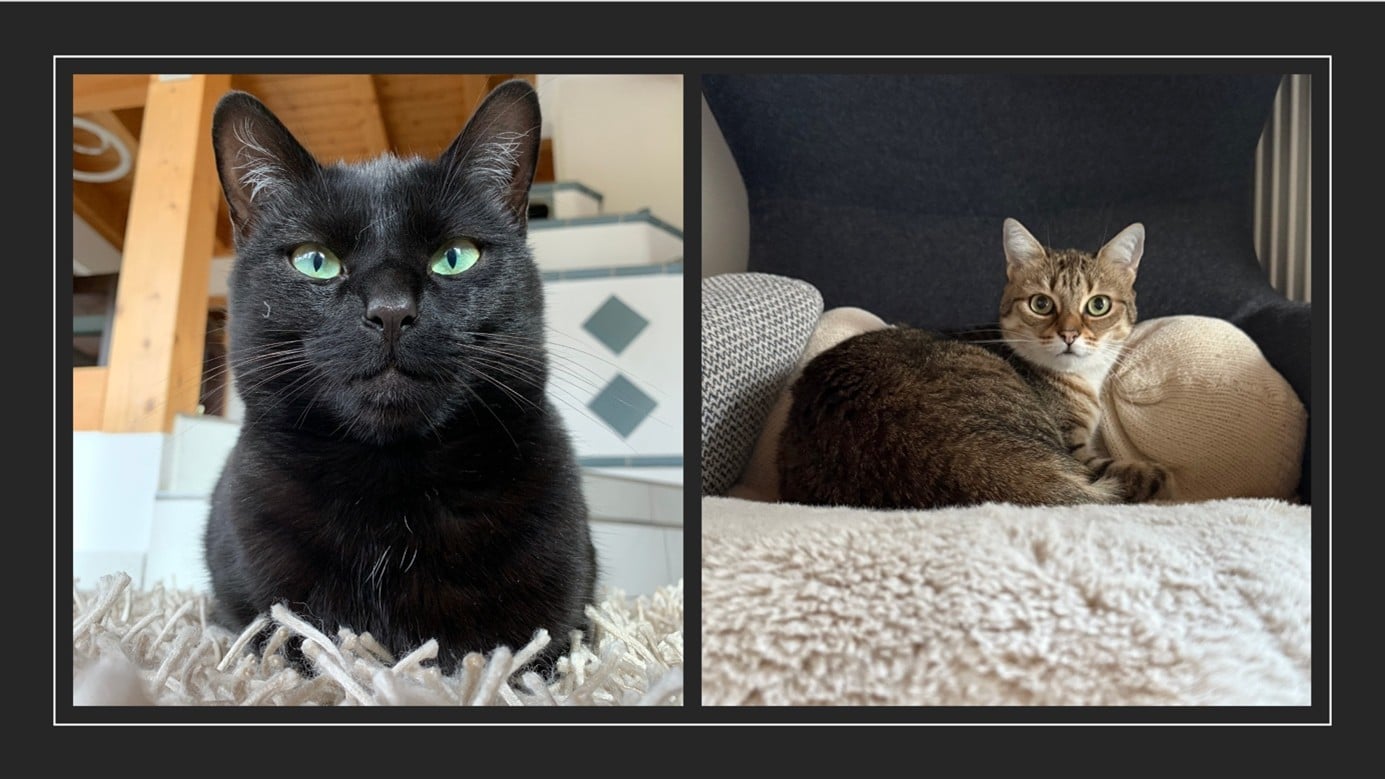
Nelly und Findus haben beide ihren Platz im Team gefunden und sind happy.
Conflict resolved My cozy spot your cozy spot

In human teams, it is only at this stage that work becomes enjoyable. Before that, collaboration tends to be difficult and unpleasant. Once the norming stage has been reached, the manager must ensure that the common rules are actually followed. Cats do this very efficiently without a boss.

Performing

In the performing phase, the work really “rocks.” Everything is going well, everyone is having fun and being productive. The group’s performance is greater than the sum of its parts. Everyone values each other, recognizes each other’s achievements, and fixed roles and rules are less important because the overarching goal is at the forefront. Everyone is pulling in the same direction.
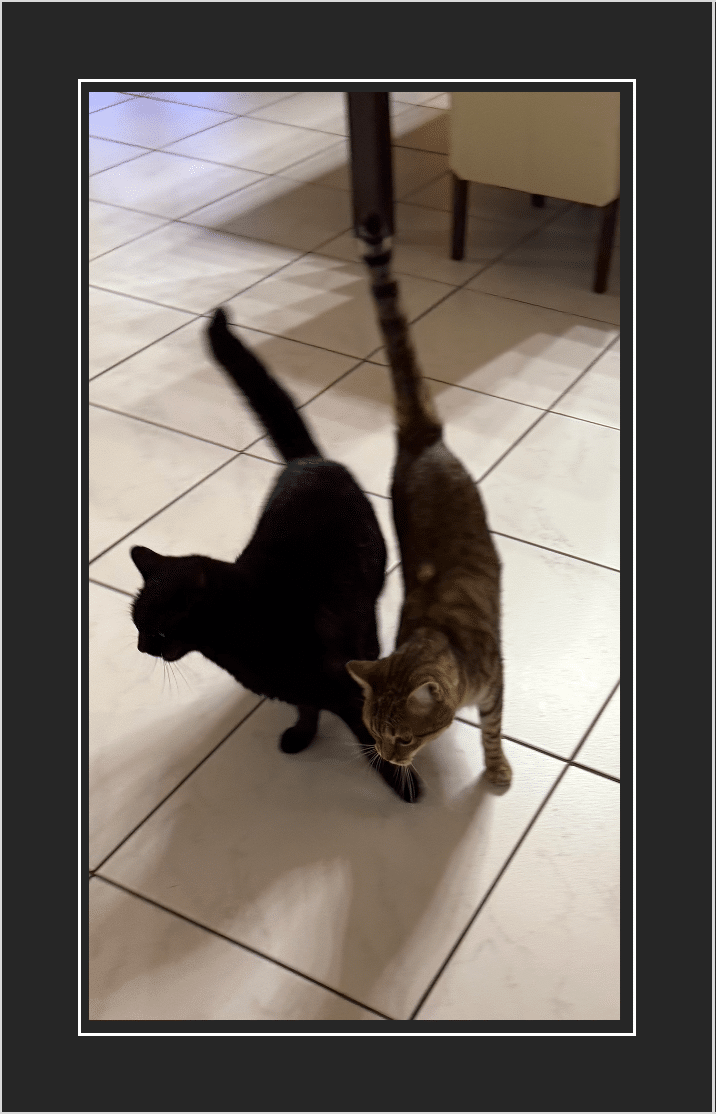
Nelly und Findus auf gemeinsamer Mission!
Nelly and Findus on tour together

Nelly and Findus reached this point after a few weeks. As a team, they now move through the house and resolve conflicts very efficiently, if any arise at all.

In human teams, the boss doesn’t have much to do here except getting out of the way and making sure the team doesn’t fall back into one of the other phases.

Practical Application

The next challenge for Nelly and Findus will be expanding their playing field to include the garden. Actually, to include the whole world, because forcing a cat to stay in the garden is a pretty hopeless endeavor. This change will mean that the two house cats will have to renegotiate some of their rules. So, they will go through some of the stages of the Tuckman model again. Typically, much faster than the first time around.

It’s the same with human teams. When changes occur—whether in the organization, the team, or among individuals—the team may fall back into an earlier phase of the Tuckman cycle. But that’s not a problem, because the team has typically already learned how to deal with ambiguities and conflicts. If all goes well, the stages are passed through much more quickly—sometimes in just a few hours.

At ValueRise Consulting, we help teams enjoy their work and collaborate effectively. Tuckman’s model is very helpful in this regard because it facilitates discussions with teams about where they currently stand and what the next steps could be. Even unpleasant words like “conflict” lose their scare factor because they are completely normal and expected.

What do you take away from this post? And how did you like Thomas’s cat analogy? We look forward to hearing your opinion in the comments section.

Wer möchte kann mich auch gerne kontaktieren:

mail: dominik.maximini@valuerise-consulting.de
WEB: https://www.valuerise-consulting.de/

About The Author

Dominik Maximini
With more than 18 years of agile experience and his ability to break down large problems into smaller pieces and solve them, Dominik is an excellent sparring partner for development managers and other executives. He previously spun off an agile start-up from a large corporation, where he won an innovation award for “Innovative Business Design.” He then worked as a manager and agile coach at a consulting firm. Today, he focuses on promoting true agility and avoiding projects that are only about decorating the status quo with new labels. He is a Professional Scrum Trainer at Scrum.org and a Management 3.0 Practitioner. In his training courses, he not only imparts theory, but also his practical knowledge, for which he was awarded the Positive Leadership Award in 2023.

Leave A Comment

Tom’s Cats – Was wir von Thomas’ Katzen über Teambuilding lernen können

NellyArrival Nelly kommt in ihrem neuen zu Hause an. Am Anfang noch sehr scheu!

Hast du Lust auf einen etwas ungewöhnlichen Blog-Post, der dir anhand des Verhaltens von Thomas‘ Katzen etwas über Teambuilding beibringt? Dann bist du hier richtig!

Über den Autor

Ich bin Dominik Maximini und helfe mit meinem Team bei ValueRise Consulting dabei, Teams erfolgreicher zu machen und Arbeit erfüllender zu gestalten. Thomas habe ich vor vielen Jahren bei einem gemeinsamen Kunden kennengelernt. Er war damals Entwickler, während ich als Scrum Master eingesetzt war. Wir haben die Zeit genutzt und aus einem wilden Haufen Coder ein hochgradig effizientes und erfolgreiches Team geschmiedet. Nach diesem Projekt wendeten wir uns jeweils anderen Aufgaben zu, sind jedoch in Kontakt geblieben.

Wer ist Thomas?

Thomas ist Geschäftsführer von JDisc. Das weißt du aber vermutlich schon. Was du vielleicht noch nicht wusstest, ist, dass Thomas ein Katzennarr ist und zwei Katzen hat: Nelly und Findus.

Warum Katzen?

Je nachdem, wen man fragt, erhält man schonmal die Aussage, dass „Katzen auch nur Menschen“ seien. Oder dass sie die Welt regieren. Selbst nachdem die Wissenschaft herausgefunden hat, dass Hunde etwa doppelt so intelligent sein sollen wie Katzen (okay, wer es schafft, dass jemand die eigenen Exkremente hinter einem herträgt, verdient auf jeden Fall Respekt!), erscheinen Katzen doch irgendwie schlauer.

Aber ganz ehrlich: Weil ich Katzen mag, viele Blog-Posts irgendwie langweilig sind und sich gerade eine Gelegenheit ergeben hat: Nelly ist frisch zu Findus dazugestoßen. Warum also nicht?

Was können uns Katzen über Teambuilding beibringen?

Eine Menge!

Im Fall von Thomas‘ Katzen hatten wir das Glück, dass Nelly frisch zu Findus dazugestoßen ist. Zwar sind es nur zwei Katzen und nicht fünf, acht, oder zehn, aber das beobachtbare Verhalten war ähnlich wie bei der Neukonstituierung eines Teams aus Menschen. Das Tuckman-Modell von 1965 kennt in seiner ursprünglichen Form vier Phasen, die wir auch bei den Katzen beobachtet haben: Forming, Storming, Norming, Performing.

Teambuilding Milestones: Forming, Storming, Norming, Performing

Forming

In der Forming-Phase wird das Team verändert. Die Mitglieder sind noch unsicher und eher zurückhaltend. Vielleicht kennst du das: Du kommst in einen Raum voller Menschen, die du noch nicht kennst. Wie fühlst du dich in so einer Situation? Die meisten Menschen empfinden das als eher unangenehm und sind unsicher, was sich je nach Persönlichkeit in leiser Abgrenzung, lautem Präsentieren oder irgendwas dazwischen ausdrückt.

Nelly ging das genauso: Sie war sehr unsicher und hat sich zunächst versteckt. Aus sicherer Entfernung hat sie das Treiben mehrere Tage lang aufmerksam verfolgt und natürlich ganz besonderen Wert darauf gelegt zu sehen, wie sich Findus verhält.

Nelly kommt in ihrem neuen zu Hause an. Am Anfang noch sehr scheu!
Nelly in ihrem Versteck kurz nach der Ankunft

Findus auf der anderen Seite hielt ebenfalls vorsichtig Abstand und ging Nelly aus dem Weg.

In einem Team, das aus Menschen besteht, wäre es nun die Aufgabe der Führungskraft dabei zu helfen, dass die Teammitglieder sich kennenlernen, ihre gemeinsame Aufgabe verstehen und langsam auftauen. Eine gute Zeit für Teambuilding-Workshops, Pizza und Kaltgetränke. Katzen brauchen dafür keine Führungskraft. Die regeln das selbst.

Storming

In der Storming-Phase werden die Ellenbögen ausgefahren. Die Teammitglieder suchen ihren Platz im Team und bringen ihre Vorstellungen mit ein, die noch nicht abgestimmt oder auf ein gemeinsames Ziel ausgerichtet sind. Jeder glaubt, „Recht“ zu haben. Es kommt zu Konflikten und Streit. Das ist ganz normal und tritt auch bei Katzen auf.

Erstes Kennenlernen von Findus und Nelly. Teambuilding ist das noch nicht wirklich :-)
Nelly und Findus im Streit um das Wegerecht Wer darf durch

Nachdem Nelly und Findus etwas aufgetaut waren, trauten sie sich in die relative Nähe des jeweils anderen. Die Aufeinandertreffen waren geprägt von Konflikten: Wer darf wo liegen? Wer darf wo gehen? Wer darf wann und wo fressen? Bei diesen beiden Katzen liefen die Konflikte fast immer nonverbal ab. Es hätte aber auch sein können, dass gefaucht, geschlagen und gekratzt wird.

Das ist bei Menschen ähnlich, wobei Schlagen und Kratzen dort eher ungewöhnlich sind. Streit, Ärger und Konflikte gehören aber dazu. Die Führungskraft muss nun dafür sorgen, dass die Konflikte in konstruktive Bahnen gelenkt und gelöst werden.

Norming

In der Norming-Phase gibt sich das Team gemeinsame Regeln und beendet so die Konfliktphase. Jeder hat seinen Platz im Team gefunden und es wird kooperiert. Langsam rückt die gemeinsame Aufgabe in den Vordergrund und die Machtkämpfe werden überwunden.

Zwar haben Nelly und Findus keine gemeinsame Aufgabe (außer echt süß zu sein), trotzdem haben sie es aber geschafft, sich Regeln zu geben. Zum Beispiel haben beide ihren Lieblings-Kuschelplatz gefunden und besetzt. Konflikte gibt es nur noch, wenn die gemeinsame Norm verletzt wird.


Nelly und Findus haben beide ihren Platz im Team gefunden und sind happy.
Gelöster Konflikt Mein Kuschelplatz dein Kuschelplatz

In menschlichen Teams fängt erst in dieser Phase der Spaß an der Arbeit an. Davor ist die Zusammenarbeit eher zäh und unangenehm. Ist die Norming-Phase erreicht, muss die Führungskraft dafür sorgen, dass die gemeinsamen Regeln auch wirklich eingehalten werden. Katzen machen das sehr effizient ohne Chef.

Performing

In der Performing-Phase „rockt“ die Arbeit so richtig. Es läuft gut, alle haben Spaß und sind produktiv. Die Leistung der Gruppe ist größer als die Summe ihrer Teile. Man schätzt sich gegenseitig wert, erkennt die Leistungen der anderen an und feste Rollen und Regeln sind weniger wichtig, weil das übergeordnete Ziel im Vordergrund steht. Alle ziehen an einem Strang.

Nelly und Findus auf gemeinsamer Mission!
Nelly und Findus gemeinsam auf Tour

Nelly und Findus hatten diesen Punkt nach einigen Wochen erreicht. Als Team ziehen sie nun durchs Haus und lösen Konflikte sehr effizient, sofern überhaupt noch welche auftreten.

Bei menschlichen Teams hat der Chef hier nicht viel zu tun, außer aus dem Weg zu gehen und darauf zu achten, dass das Team nicht in eine der anderen Phasen zurückfällt.

Einsatz in der Praxis

Die nächste Herausforderung für Nelly und Findus wird sein, dass das Spielfeld um den Garten erweitert wird. Eigentlich sogar um die Welt, denn eine Katze zu zwingen im Garten zu bleiben, ist ein ziemlich aussichtsloses Unterfangen. Diese Veränderung wird dazu führen, dass die beiden Stubentiger manche ihrer Regeln neu verhandeln müssen. Einige Stufen des Tuckman-Modells werden also neu durchlaufen. Typischerweise wesentlich schneller als beim ersten Mal.

Das ist bei menschlichen Teams genauso. Ergeben sich Veränderungen – egal ob in der Organisation, dem Team oder bei Einzelpersonen – kann das Team in eine frühere Phase des Tuckman-Zyklus zurückfallen. Das ist aber kein Problem, denn das Team hat typischerweise bereits gelernt, wie es mit Unklarheiten und Konflikten umgehen muss. Wenn alles gut geht, werden die Stufen also wesentlich schneller durchlaufen – manchmal schon in wenigen Stunden.

Wir bei ValueRise Consulting helfen Teams dabei, mit Spaß zur Arbeit zu kommen und performant zusammenzuarbeiten. Dabei hilft uns das Modell von Tuckman sehr, weil es Diskussionen mit den Teams ermöglicht, wo sie gerade stehen und was die nächsten Schritte sein könnten. Auch unangenehme Wörter wie „Konflikt“ verlieren ihren Schrecken, weil sie völlig normal und erwartbar sind.

Was nimmst du aus diesem Post für dich mit? Und wie hat dir die Näherung über Thomas‘ Katzen gefallen? Wir freuen uns über deine Meinung in den Kommentaren.

Wer möchte kann mich auch gerne kontaktieren:

mail: dominik.maximini@valuerise-consulting.de
WEB: https://www.valuerise-consulting.de/

About The Author

Dominik Maximini
With more than 18 years of agile experience and his ability to break down large problems into smaller pieces and solve them, Dominik is an excellent sparring partner for development managers and other executives. He previously spun off an agile start-up from a large corporation, where he won an innovation award for “Innovative Business Design.” He then worked as a manager and agile coach at a consulting firm. Today, he focuses on promoting true agility and avoiding projects that are only about decorating the status quo with new labels. He is a Professional Scrum Trainer at Scrum.org and a Management 3.0 Practitioner. In his training courses, he not only imparts theory, but also his practical knowledge, for which he was awarded the Positive Leadership Award in 2023.

Leave A Comment